
If you’ve signed a non-disclosure agreement, you may already be carrying a quiet, exhausting question underneath everything else you’re dealing with: what am I actually allowed to say, to anyone, ever again?
It’s a fair question. And it’s the wrong one to try to answer alone, or to let stop you from getting support.
Therapy confidentiality and legal non-disclosure are two different things
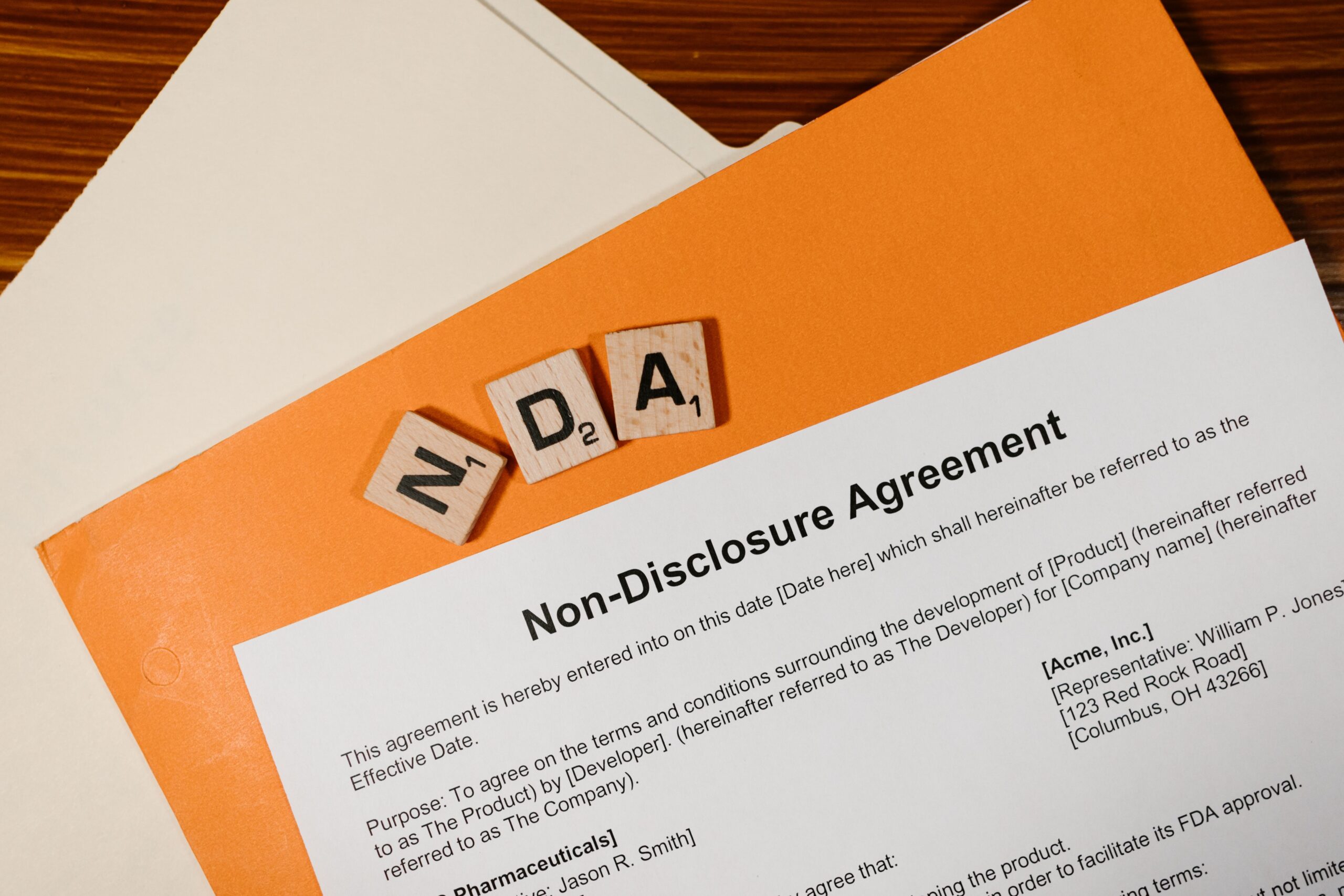
An NDA is a legal agreement between you and another party, usually a former employer. It sets out what you can disclose publicly or to specific people, and under what circumstances. It exists to protect information: the terms of a settlement, the details of a dispute, sometimes the simple fact that a dispute happened at all.
Therapy confidentiality is a different thing entirely. It’s a clinical and ethical obligation I hold as your therapist, protected under separate laws. It exists specifically so people can talk about what’s happening to them without it becoming public. The two aren’t in conflict and one doesn’t cancel out the other.
I’m not your attorney and I won’t tell you what your specific NDA does or doesn’t permit. Agreements vary and so do state laws. Many are written to allow conversations with a lawyer, an accountant, clergy, or a therapist. Some are narrower, and some even limit what you can tell your spouse. That’s a real legal question and it deserves a real legal answer from someone who can read your agreement’s actual language.
What I can tell you is that therapy itself is not the thing an NDA is written to prevent. People navigating NDAs, settlements, and confidentiality agreements see therapists. For some of them, therapy is the only place left where they can say anything at all.
You don’t need to disclose the specifics for this work to matter
Here’s what tends to surprise people: very little of what actually needs attention in a session depends on the specific facts your NDA covers.
The parts of this that show up in the room aren’t usually the details of what happened, but what happened to you because of it:
- The vigilance of constantly managing what you say, and to whom, in conversations that have nothing to do with the agreement
- The isolation of carrying a story that doesn’t match the version everyone around you believes, sometimes including the people closest to you
- Grief, anger, or both, with nowhere sanctioned to put them
- Questions about who you are now, when a job, a title, or a fight you were in the middle of ended abruptly and on someone else’s terms
None of that requires naming names, dates, or dollar figures. You can talk about the weight of silence without breaking it.

What this actually looks like in practice
Some people come to me after hearing, somewhere else, that therapy can’t go very far without the details. The way I work doesn’t depend on them.
I use Internal Family Systems (IFS), an approach that works with the different parts of you: the part that’s been on guard since you signed, the part that’s angry, or the part that’s grieving what was lost. We can get to know those parts and help them without retelling what happened. General terms, metaphor, “a situation at work”: all of that is enough to do real work.
If part of you is uneasy about saying anything at all, even here, that caution makes sense. It’s been protecting you. We don’t have to override it. We can get to know it and let it set the pace for what feels safe to share. And if you’re ever unsure whether something is safe to say, that uncertainty is something we can work with directly. You’re never required to disclose anything you’re not sure about. You stay in control of what you share, always.
Some clients never mention the specifics of their situation, and the work is no less real for it. Others eventually loop in an attorney to separate what’s actually restricted from what they’ve simply assumed is restricted out of caution or fear. Either way, the therapy isn’t waiting on that clarity to begin.
What I write down, and what stays in the room
Trust in a therapist isn’t automatic and it shouldn’t have to be. Many people come in cautious, whether from a past experience that didn’t go well or from knowing that one more person hearing their story means one more record existing. You deserve clear answers, not just reassurance.
Here’s what I can tell you plainly. My notes are brief and focus on your treatment, meaning what we’re working on and how you’re doing, not the details of your story. You can ask me what’s documented, and you have the right to request a copy of your record. Like every licensed therapist, I have legal limits to confidentiality, such as situations involving safety or a court order. I walk through those with every client at the start, so there are no surprises.

If you haven’t signed yet
If you’re still negotiating a settlement or severance agreement, this is worth raising with your attorney now. The psychologist Monnica Williams has written that even when an NDA can’t be avoided, people can often negotiate terms that let them talk with friends, family, and healthcare providers, while still keeping the matter out of public view. Her article on the emotional cost of NDAs is worth reading. Asking for an explicit exception for mental health care is a small request that can matter a great deal later.
Why this matters beyond the legal question
An NDA can protect information. It can’t undo what it cost you to sign it or what it’s cost you to live inside it since.
If you’re managing a forced exit, a settlement, a whistleblower situation, or any circumstance where silence was part of the deal, you don’t have to choose between protecting yourself legally and getting real support. Those aren’t the same kind of protection and you’re allowed to have both.
Frequently asked questions
Can I tell my therapist about my NDA?
You can tell your therapist that you’re under an NDA and talk about how it’s affecting you. Whether you can share the specific details depends on your agreement’s wording, which an attorney can review with you. Much of the work doesn’t require those details.
Will my therapist write down what I say?
Therapists are required to keep records, but notes don’t need to include the details of your situation. You can ask your therapist what they document and request a copy of your record.
Can my therapy records be shared?
Therapy records are protected by confidentiality laws. There are limited exceptions, such as safety concerns or a court order, and your therapist should explain these at the start of treatment.
How you pay also matters. When you use insurance, your therapist has to share certain information with your insurance company to be paid, including a diagnosis. Insurers can also request records to review or audit claims. When you pay out of pocket (also called private pay or self-pay), that information isn’t sent to an insurance company and your record stays between you and your therapist, except in the situations covered by the limits of confidentiality. For people navigating NDAs and sensitive career situations, especially when their coverage is tied to the employer involved, that added privacy can bring real peace of mind.
If you choose to request a superbill for out of network reimbursement, keep in mind that submitting it to your insurance company does share information with them, including a diagnosis.
What if my NDA says I can’t tell my spouse?
That kind of restriction can be deeply isolating. Therapy can be a place to work through the strain of carrying something alone, even when the details stay private.
Kiara Hartwell Opara, LCPC, LPC, NCC, is a Certified IFS Therapist working with adults navigating forced career exits, NDAs, and whistleblowing situations in Maryland and Northern Virginia. Kiara offers virtual and in person IFS Therapy Intensives (single day to multi-day) in Baltimore, MD.
Learn more about therapy for career exits, NDAs, and whistleblowers →


